


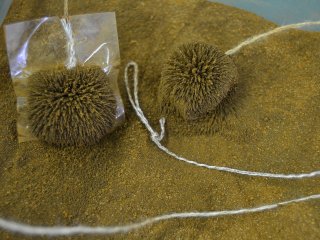
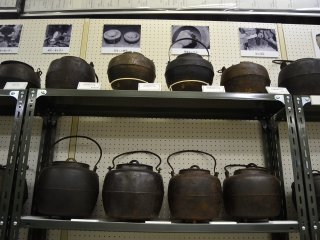
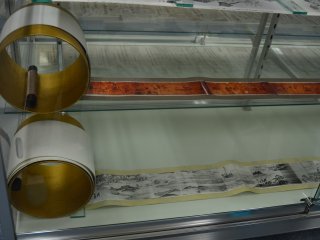
When you see this building for the first time, you may not think that it is a museum. Referred to as Kuji Historic Folk Museum (Kuji-shi Rekishi Minzoku Shiryokan), this building has many impressive collections that can give a clue as to what life was like in Kuji in the past. There are four main exhibition halls. The first exhibition hall displays many collections of iron and steel that were produced in Kuji. Maybe not many people are aware of the fact that Kuji was formerly a major producer of iron and steel. Going to the next exhibition hall, you will come across exhibits relating to famous people who came from Kuji with various kinds of professions. From teachers, poets, to politicians. Go on to the third exhibition hall, and you will see ancient pottery that dates from the pre-historic era. Last but not least, you will find many household items donated by local people from Kuji that have a strong connection with the area.
- 1 min read
Kuji Historical Folk Museum
In depth look at Kuji's distinctive history - for free!






Explore nearby


Leave a comment
Top Articles
-
 1
1An All-Inclusive Osaka Escape With KAMENOI HOTEL TONDABAYASHI ALL-INCLUSIVE RESORT
Osaka - Sponsored -
 2
2Exploring Tokyo’s Food Culture
Tokyo - Sponsored -
 3
3Explore Ishigaki From Town to Shore on a Two-Hotel Escape
Okinawa - Sponsored -
 4
4Explore Hakodate’s Gourmet Food and Markets
Hokkaido - Sponsored -
 5
5Inside Nagasaki’s Tea World with Nagasaki Ikedoki Tea Tours
Nagasaki - Sponsored -
 6
6Nara Beyond the Crowds With Two Peaceful Retreats
Nara - Sponsored -
 7
7Ozu Castle Town: A Sustainable Destination in Japan
Ehime - Sponsored -
 8
8Ultimate Fukuoka Food Guide: Hakata Ramen, Yatai Culture & Beyond
Fukuoka - Sponsored -
 9
9Kamenoi Hotel Aso: A Grand Nature Resort in Aso
Kumamoto - Sponsored -
 10
10A Vegan Visit to Fukuoka
Fukuoka - Sponsored


-
 1
1Guide to Bringing Medicines Into Japan
Planning -
 2
2Guide to Suica Cards in Japan
Transportation -
 3
3Akishinodera Temple
Nara -
 4
4Tax-free Shopping in Japan: 2026 Changes
Planning -
 5
5The Ultimate Guide to Thrifting in Tokyo
Shopping -
 6
6Punch the Monkey: Japan's Viral Baby Macaque
Chiba -
") 7
7May Grand Sumo Tournament (Tokyo)
Tokyo -
 8
8Your Name: Real-Life Locations in Tokyo
Tokyo -
") 9
9Ghibli Museum: How To Get Tickets (2026 Guide)
Culture -
 10
10Japanese Urban Legends
Culture


